Share
How Topps Built a Collectible Card Content Engine
With PhotoShelter, Topps re-engineered their creative process, using a collaborative platform to unlock their archive and grow their legacy.
- 577.7k+ assets housed in PhotoShelter
- ~21.5k requests for visual assets automated per month with PhotoShelter
- 4.7M+ total followers across social media channels

An iconic brand’s new playbook for creative workflow
Topps is a legendary company, an icon in the sports collectibles marketplace for decades. After its acquisition by Fanatics Collectibles, it became the cornerstone of the modern collectibles industry, tasked with innovating at an unprecedented scale. This new era called for a fresh approach to managing their most vital asset: their photography.
With a vast and historic archive, a constant influx of new imagery, and a more ambitious approach to producing hundreds of unique products a year, they needed a central, powerful, and accessible digital asset management hub. PhotoShelter became the single source of truth, helping Topps connect its deep history with their fast-moving future.
The challenge: System couldn’t keep pace with demand
Alex Trautwig, Director of Photography, and his team of photo editors work alongside card editors and designers to bring hundreds of products to life. Their lineup ranges from traditional card sets to dynamic, on-demand products like Topps NOW that feature highlights from the previous day’s games. The quantity of assets and speed were relentless, but existing tools and workflows stood in the way.
- Scattered assets were unusable and inaccessible. A massive archive of imagery existed, but it was scattered across locations, making it nearly impossible to utilize effectively. Trautwig puts it plainly: “If you can’t find your images, they are truly useless. That goes for a personal archive, but also for a professional archive that goes back dozens or hundreds of years. If the images aren’t quickly findable, then you can’t use them.”
- Valuable creative time was lost searching for images. The creative team spent countless hours simply trying to locate the right photo. “People were hunting around different sources and scrolling through fifty pages of images on Getty Images or wherever we’re getting the images from,” recalls Trautwig. That lost time was a direct drain on their ability to improve the final product.
- Collaborative workflows were manual and disconnected. The approval process for images, a critical step involving athletes, partners, and internal teams, relied on outdated methods. Without a dedicated platform, the team was left “emailing a link or an attachment and asking, ‘What do you think?'” An approach that lacked the structure and efficiency needed for the high volume of approvals required daily.
- Providing secure and simple access for all staff was missing. The need for visual assets extended beyond the core creative team to people across the entire Topps/Fanatics Collectibles organization. However, there was no easy way to grant access to this wide range of stakeholders without creating a security and administrative headache of managing countless individual usernames and passwords.
“Things were just very segmented. We had a lot of different people working on a lot of different things. Some were using Box, which is fine for a file dump, but it lacks all the metadata functionality. And then there were still servers that were being used, too. Company servers physically located here that you could access. But then, if you were in the other office, you couldn’t access the content, or you couldn’t just send a link. We couldn’t FTP to the server, and we couldn’t pull up thumbnails as easily unless you’re using an additional tool. And then there were also photo shoots on hard drives, too. It was all over the place.”
Alex Trautwig, Director of Photography, Topps/Fanatics Collectibles
The solution: Single source of truth to drive efficiency
Before PhotoShelter, the Topps/Fanatics Collectibles team was battling inefficiency while striving to produce world-class collectibles. Now, with PhotoShelter as a key part of their broader workflow, Alex and his team spend less time navigating roadblocks and more time collaborating and producing new work.
Here is how they solved their biggest challenges:
- A unified archive makes every asset findable and accessible. PhotoShelter became the company’s “single source of truth where the images live.” This eliminated the frantic searches across disparate systems, placing every asset, from new photos delivered via FTP to deep archival content, into one central library. “Now it’s there. Now it is findable. Now it is readily accessible, which is… essential to what we’re doing every single day,” Trautwig states.
- Metadata and searchability reclaim valuable time for creativity. By creating a central library with consistent metadata, the platform acts as a powerful search engine, turning hours of searching into seconds. It’s “an incredible driver of efficiency across our business,” Trautwig notes, adding that the team now has time to dedicate to “making the product better and improving it.”
- Simple-to-use Workspaces accelerate collaboration and approval. The old, manual process of emailing links for feedback has been replaced with PhotoShelter’s collaborative Workspaces. It’s a visual and intuitive platform where partners can leave clear feedback and approvals. “Having that visual representation with Workspaces is great, and it also allows us to capture feedback,” says Trautwig. “We are using it every single day.”
- A centralized workflow ensures content freshness and uniqueness. PhotoShelter sits directly in the middle of the creative process, allowing for real-time management of the Topps team’s image inventory. Photo editors constantly update galleries with new content, and now card editors have immediate access to begin making selections.
- Single sign-on delivers secure, frictionless access for the entire organization. One of the most significant workflow improvements was the implementation of Single Sign-On (SSO). “Anyone who works at Fanatics Collectibles can access our library… They’re using the same credentials that they do to log in to all of our other things, and… that’s incredible,” Trautwig explains. This saves the photo team administrative time while empowering anyone in the company who needs assets to get them instantly and securely.
“With PhotoShelter, we’re able to manage all of the wholly owned, originally created content from photographers that we’re hiring to shoot things. We’re able to handle the intake of images from partners, licensees, and whoever else is providing files for production. And we’re also able to get a handle on an archive of stuff.”
Alex Trautwig, Director of Photography, Topps/Fanatics Collectibles

Powering an iconic brand for a new generation
By implementing PhotoShelter, Topps/Fanatics Collectibles re-engineered their entire creative process. With a central, searchable, and collaborative platform, the team is no longer bogged down by logistical hurdles. They are free to focus on what they do best: creating the beautiful, compelling, and unique cards that connect fans to the players and moments they love, ensuring the Topps legacy thrives for generations to come.
“I have a lot of history with PhotoShelter. And there’s really not much else out there that does everything that it does for us.”
Alex Trautwig, Director of Photography, Topps/Fanatics Collectibles
Go behind the scenes with Topps/Fanatics Collectibles
Ready to transform your team’s creative workflow?
You May Also Like
-

Sports
Inside The New York Islanders’ Modern DAM Workflow
The New York Islanders dialed in their DAM with PhotoShelter. One home for images, plus analytics that prove ROI and drive adoption.
-


Healthcare
How UF Health Manages Visuals for a Massive Hospital Network
PhotoShelter helps the UF Health photo team manage their entire archive in one centralized, secure, and easy-to-use platform.
-

Arts Media and Entertainment, Consumer goods
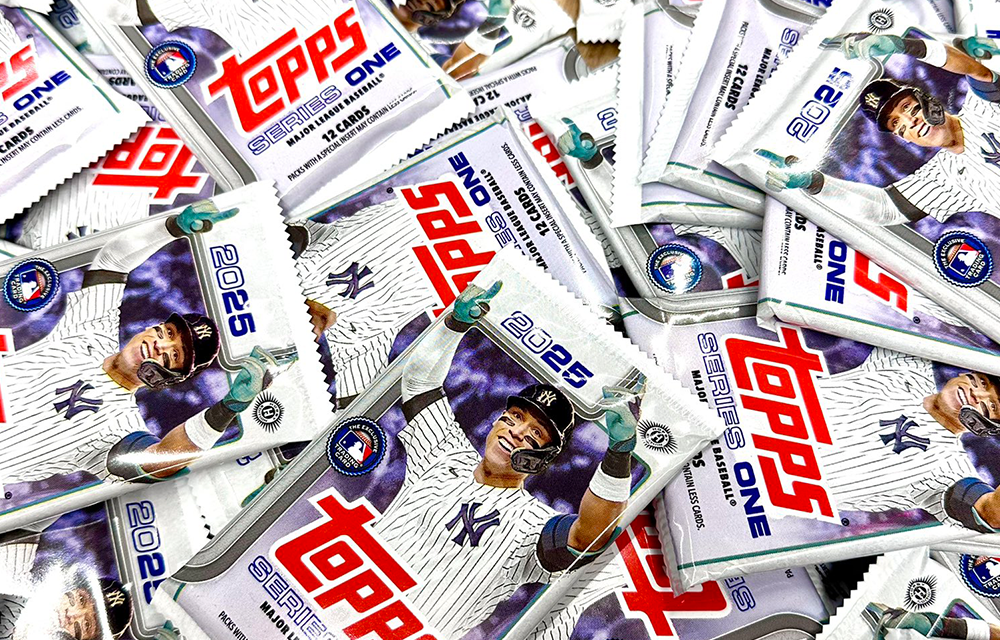
How Topps Built a Collectible Card Content Engine
With PhotoShelter, Topps re-engineered their creative process, using a collaborative platform to unlock their archive and grow their legacy.


